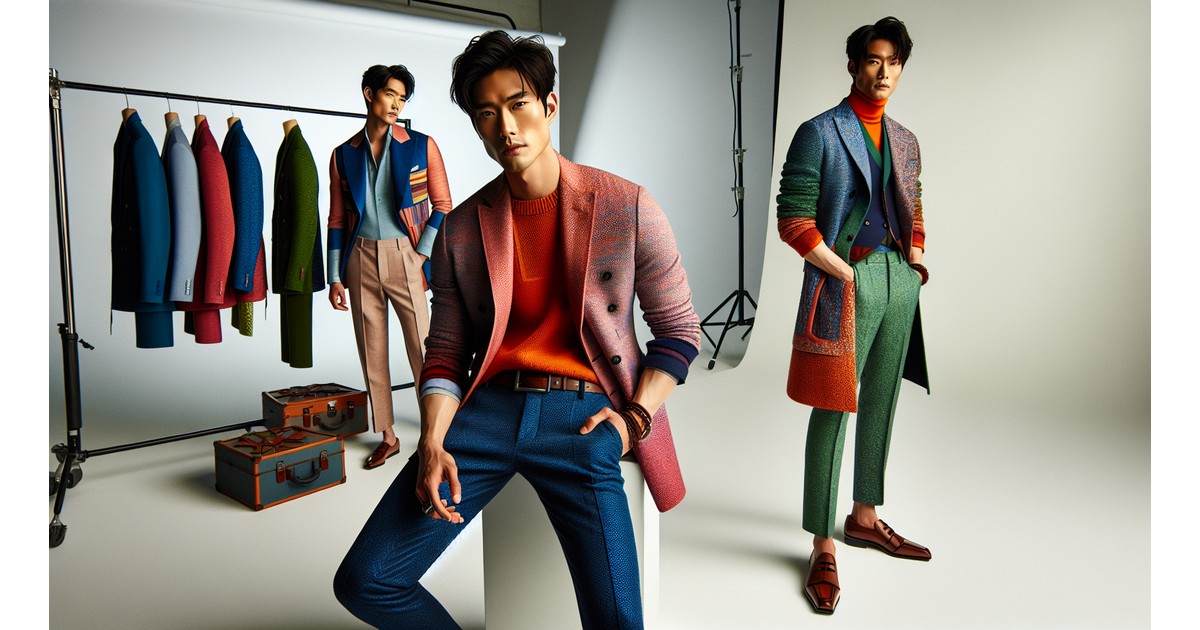

Understanding Color Basics
Start by familiarizing yourself with the color wheel, focusing on primary, secondary, and tertiary colors. Understanding warm (reds, oranges, yellows) versus cool colors (blues, greens, purples) lays the foundation for creating outfits that evoke the right feelings. For example, pairing warm tones with warm neutrals can create a cozy, inviting look, perfect for winter gatherings. A classic combination of a mustard yellow sweater with beige trousers provides warmth, while a cool blue scarf adds a refreshing touch. Opt for fabrics like cashmere or wool for texture and warmth, which are perfect for the season.
Complementary and Analogous Colors
Complementary colors sit opposite each other on the color wheel and create striking contrasts. For instance, a deep purple dress paired with a vibrant yellow belt can make a bold statement. Conversely, analogous colors are next to each other on the wheel, creating a harmonious look. For a chic outfit, consider wearing a teal blouse with a navy blue skirt and soft green accessories. This combination is not only eye-catching but also sophisticated. When selecting pieces, brands like Reiss or COS offer timeless options that can be styled in various ways, ensuring versatility in your wardrobe.
Seasonal Color Trends
As we close out 2025, it's essential to incorporate the season’s trending colors into your wardrobe. This December, expect to see rich jewel tones, such as emerald and ruby, dominating the fashion scene. A velvet emerald blazer paired with a cream turtleneck creates an elegant yet festive look, ideal for holiday parties. Layering is key; try adding a plush scarf in a complementary color, like burgundy, to elevate your outfit. Accessories also play a vital role; statement earrings in gold can add a touch of luxury to your ensemble. Brands like Zara and Mango are perfect for finding on-trend pieces that won't break the bank.