
Understanding Color Theory: The Basics
Color theory is the foundation of effective styling, utilizing color wheels to create aesthetically pleasing combinations. The primary colors—red, blue, and yellow—combine to create secondary colors like green, orange, and purple. Tertiary colors emerge from mixing primary and secondary shades. In sustainable fashion, it’s essential to choose colors that not only flatter your skin tone but also reflect eco-conscious values. For instance, earthy tones such as olive green, terracotta, and mustard yellow are not only trendy but symbolize a connection to nature. When selecting outfits, consider the color wheel: complementary colors (like blue and orange) create vibrant contrasts, whereas analogous colors (like blue, green, and teal) produce a serene palette. This understanding helps in picking sustainable fabrics dyed with natural, non-toxic pigments. Brands like Reformation and Eileen Fisher offer collections that focus on these earthy, complementary tones, allowing you to express your eco-friendly ethos through color.
Choosing Sustainable Fabrics for Colorful Outfits
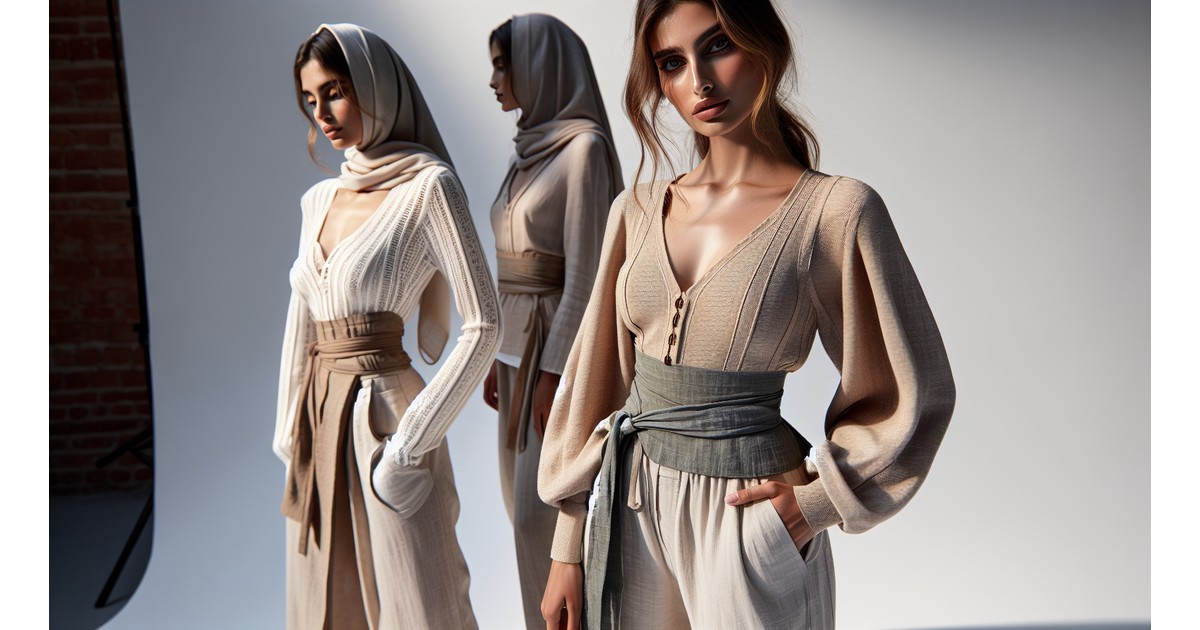
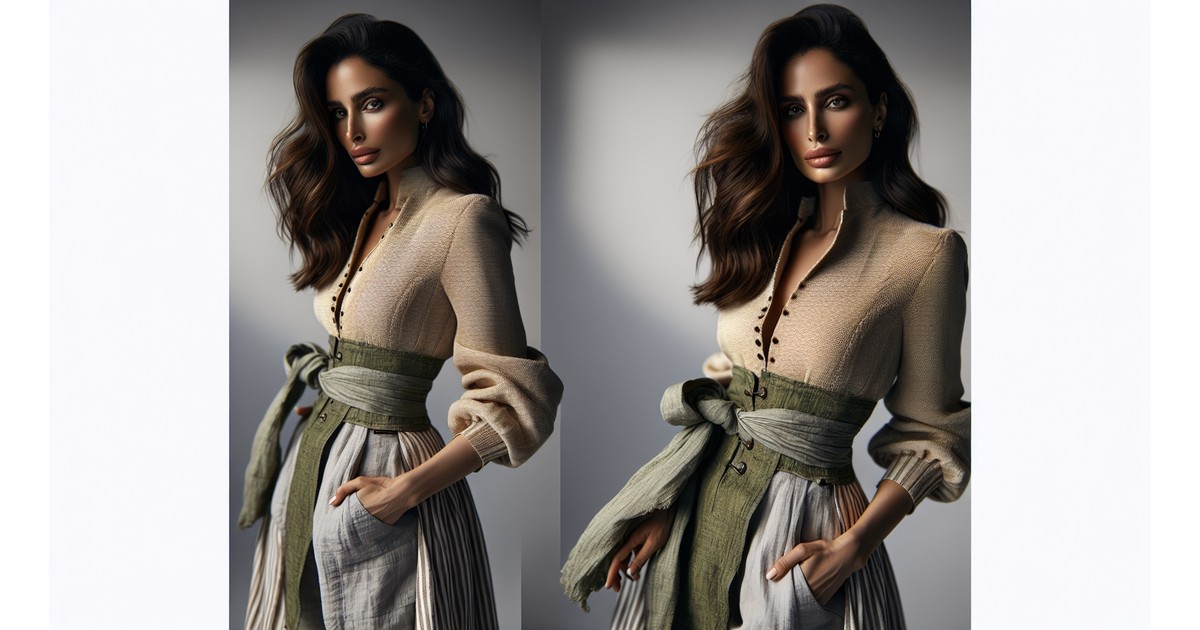
Sustainable fashion is not just about the colors you choose; it’s also about the materials that bring these colors to life. Organic cotton, Tencel, and linen are excellent choices that boast vibrant dye uptake while being friendly to the environment. For instance, a vibrant Tencel dress in a rich forest green pairs perfectly with a natural linen jacket in a soft beige. This not only creates a beautiful outfit but also supports ethical production practices. When shopping, look for brands that prioritize sustainable fabrics. For example, Patagonia offers a range of colorful activewear made from recycled materials, perfect for those looking to stay stylish and eco-conscious during outdoor activities. Consider mixing textures, like pairing a soft cotton tee in a pastel hue with a structured hemp blazer. This contrast not only enhances your look but also showcases your commitment to sustainability.
Building a Versatile Color Palette for Your Wardrobe
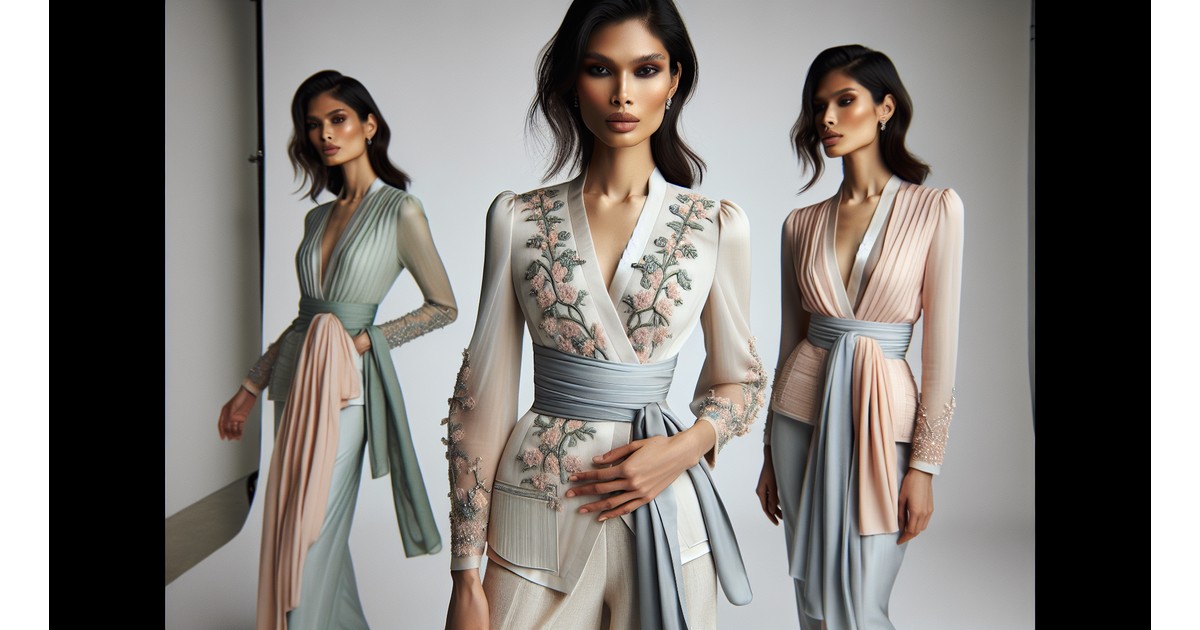
Creating a versatile color palette is key to maximizing your wardrobe's potential while embracing sustainability. Start with a base of neutral colors such as black, white, and gray, then incorporate a selection of accent colors that can be mixed and matched seamlessly. For March 2026, consider incorporating shades like dusty rose, deep navy, and olive green as your accent colors, which can be found in sustainable collections from brands like Amour Vert and Thought Clothing. A dusty rose organic cotton sweater can be paired with high-waisted sustainable denim for a casual outing or a navy midi skirt for a more polished look. Accessories are a great way to introduce color without overwhelming your ensemble; think about a pair of sustainable shoes in a vibrant hue to add a pop of color to a neutral outfit. This practical approach not only ensures that your pieces work harmoniously together but also reduces the need for excessive shopping, promoting a more sustainable lifestyle.
Color Combinations to Try This Season
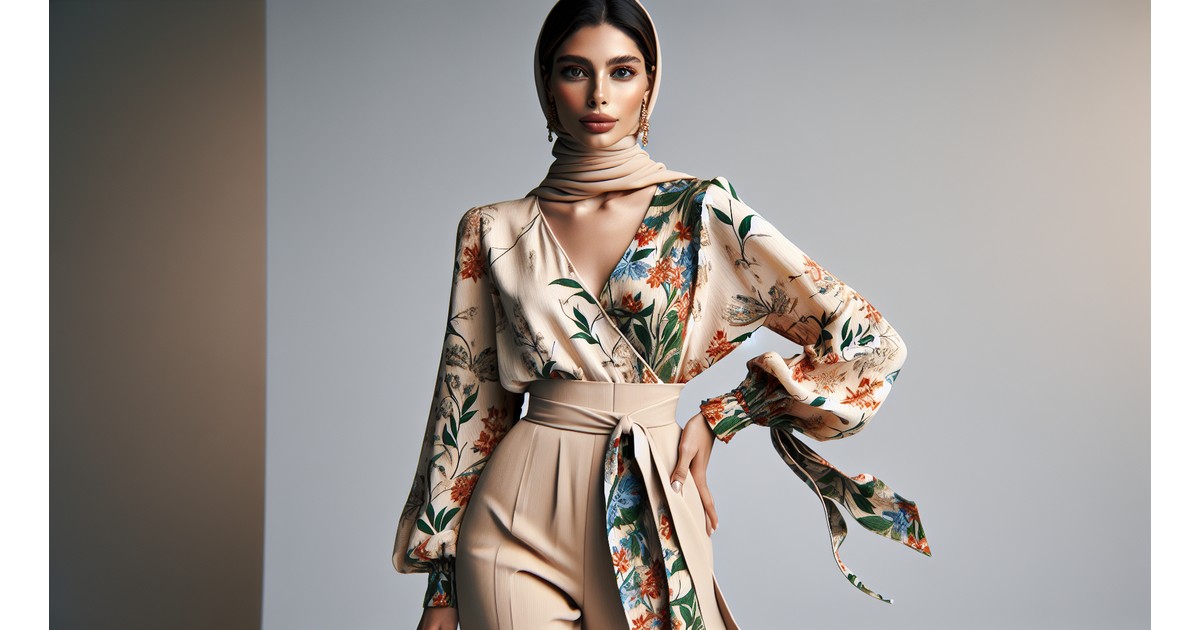
March 2026 is all about vibrant yet earthy color combinations that reflect the changing season. One trendy combination to try is pairing a mustard yellow top with a dark green skirt—this not only creates a warm, inviting look but also embodies the spirit of growth and renewal associated with spring. Brands like People Tree offer sustainable options in these colors that you can explore. Another exciting pairing is a rich burgundy dress with blush pink accessories; this provides a soft, feminine touch ideal for both casual and formal events. Consider layering a light denim jacket over this outfit for a casual daytime look. Don't shy away from experimenting with patterns—floral prints in sustainable fabrics can add a fresh twist to any outfit, especially when combined with solid color pieces. Remember, the key is to balance bold colors with neutrals to maintain cohesion in your overall look.
Accessories: The Finishing Touch to Your Color Story
Accessories play a crucial role in completing your outfit and can often be the focal point of your color story. Sustainable brands like Matt & Nat offer eco-friendly bags in a myriad of colors, allowing you to choose pieces that tie your outfit together beautifully. For example, a vibrant teal bag can complement a pastel yellow dress, creating a striking contrast that is both stylish and sustainable. Jewelry is another great way to incorporate color; consider ethically-sourced gemstones like amethyst or citrine for a splash of color in your accessories. Additionally, scarves made from sustainable fabrics can serve as versatile pieces that not only enhance your outfit but also provide warmth during the cooler March evenings. Don’t forget that the right pair of shoes can elevate your look—opt for sustainable brands that offer colorful options, such as Veja, which provides stylish footwear made from recycled materials.