Understanding Color Relationships
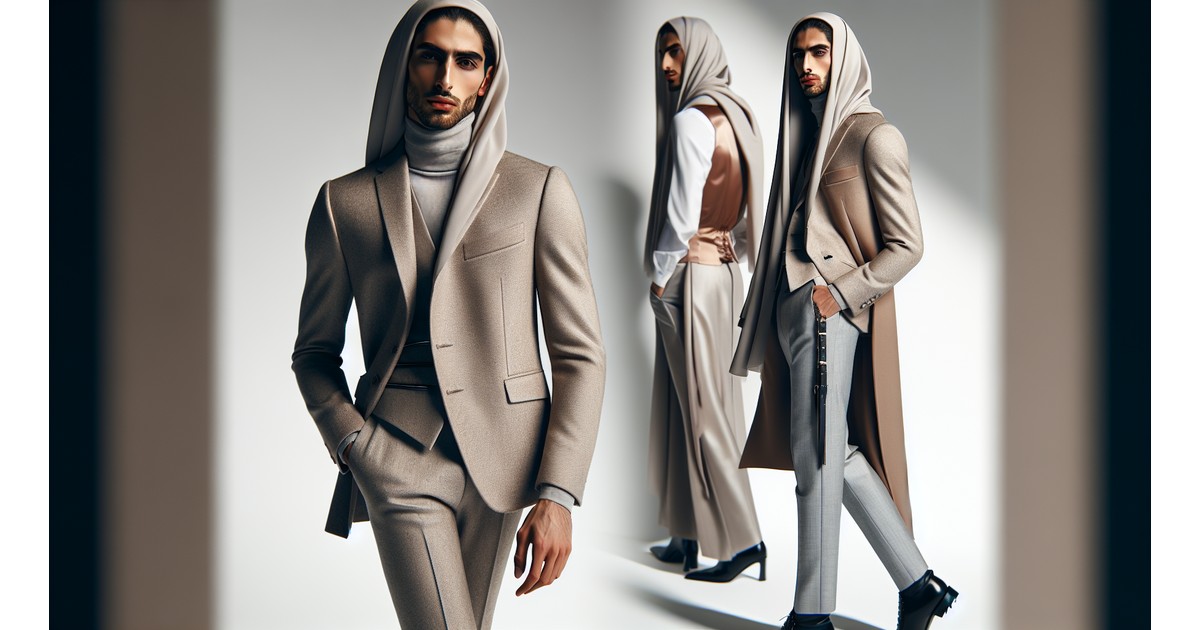
Color theory revolves around the relationships between colors, which can be divided into three categories: complementary, analogous, and triadic. For January 2026, consider pairing complementary colors like vibrant coral with a deep teal—this combination not only creates visual interest but also captures attention. For a softer look, try analogous colors such as serene shades of blue, purple, and pink. These hues create a harmonious vibe perfect for cozy winter gatherings. To incorporate these color relationships into your wardrobe, look for statement pieces like a coral oversized sweater paired with teal trousers or a lavender midi dress adorned with a blue-gray scarf.
Key Colors for January 2026
This January, expect to see a palette dominated by rich jewel tones and soft pastel shades. Colors like emerald green and sapphire blue are gaining traction, lending sophistication to winter ensembles. For those who prefer a lighter aesthetic, dusty rose and soft lavender are perfect for layering under heavier fabrics. When styling these colors, consider contrast. For instance, an emerald green blazer over a crisp white shirt combined with dark denim creates a strikingly chic look. Additionally, accessorize with metallics—gold and silver can bring a fresh twist to any outfit while enhancing the color palette. Brands like Reiss and Ted Baker are championing these hues this season, making them great sources for inspiration.
Practical Styling Tips
To effectively apply color theory in your styling, start by choosing a base color for your outfit. From there, work your way outwards, selecting complementary or analogous colors for accessories and layers. For example, if you choose a navy dress as your base, add a soft blush scarf and taupe ankle boots to create a balanced look. Don’t shy away from prints either; florals with hints of the core colors can bring depth and texture to your outfit. Remember, textures also play a significant role in how colors appear. Think about incorporating different fabrics—like a velvet blazer paired with a silk blouse—to add dimension. For those looking to experiment, lend a playful touch with unexpected color combinations, like mustard yellow paired with a muted teal, to create a memorable statement.