Understanding Color Theory Basics
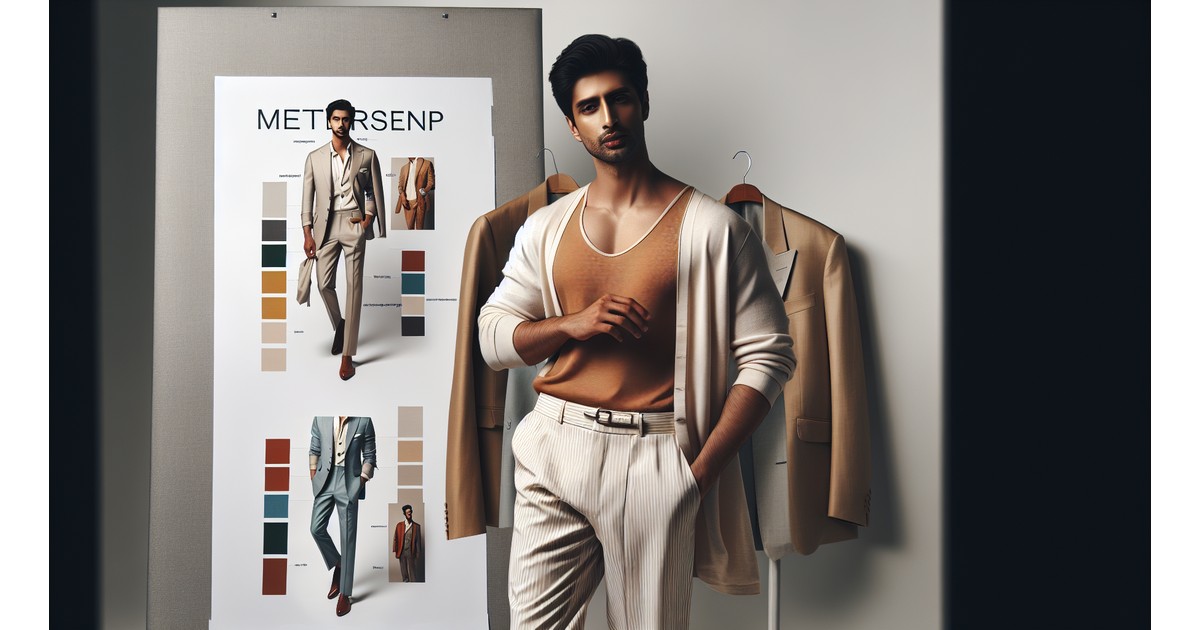
At its core, color theory revolves around the color wheel, which is divided into primary, secondary, and tertiary colors. For January 2026, consider embracing primary colors like blue, red, and yellow. Pair a cobalt blue blazer with a soft white turtleneck and tailored black trousers for a chic office look. For a pop of color, add a bright red handbag that can easily transition from day to night. Additionally, understand the psychological effects of colors: blues promote calmness, while reds can energize and empower.
When styling outfits, consider analogous colors (colors next to each other on the wheel) for a harmonious look. For example, a palette of teal, blue, and green can create a serene yet stylish outfit. Utilize this technique when selecting pieces from brands like Everlane or Reiss, known for their sophisticated and cohesive color palettes.
Current Color Trends for January 2026
This January, expect to see a surge in earthy tones such as terracotta, olive green, and muted yellows. These colors resonate with the ongoing trend of sustainability and nature-inspired aesthetics. To incorporate this into your wardrobe, consider a terracotta wrap dress paired with olive ankle boots for a casual brunch look. Accessories in complementary shades, like a mustard yellow scarf, can add dimension and interest to your ensemble.
For those who prefer a bolder statement, jewel tones like emerald green and amethyst are making waves. An emerald green velvet blazer layered over a simple white tee and dark denim can elevate your evening attire effortlessly. Finish the look with gold accessories to enhance the richness of the colors.
Timeless Color Combinations and Styling Tips
While trends come and go, certain color combinations remain timeless. One such classic is the pairing of navy and white. Incorporate this into your winter wardrobe by styling a navy wool coat over a white knit sweater and high-waisted jeans. This combination is not only chic but also versatile for various occasions.
Additionally, consider the power of monochromatic outfits. Dressing in varying shades of the same color can elongate your silhouette and create a sleek look. For instance, a light grey sweater matched with darker grey trousers and a charcoal coat can be both sophisticated and flattering. Don't shy away from mixing textures—pairing a chunky knit with tailored fabrics can add depth to your monochromatic looks.