
Understanding Sustainable Fabrics
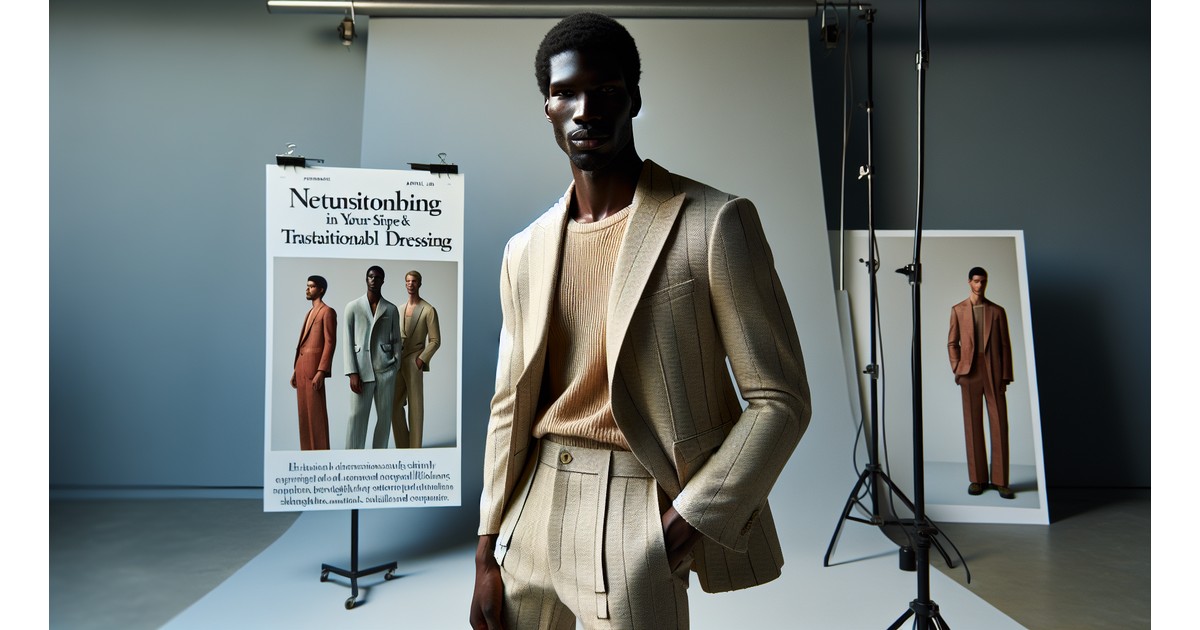
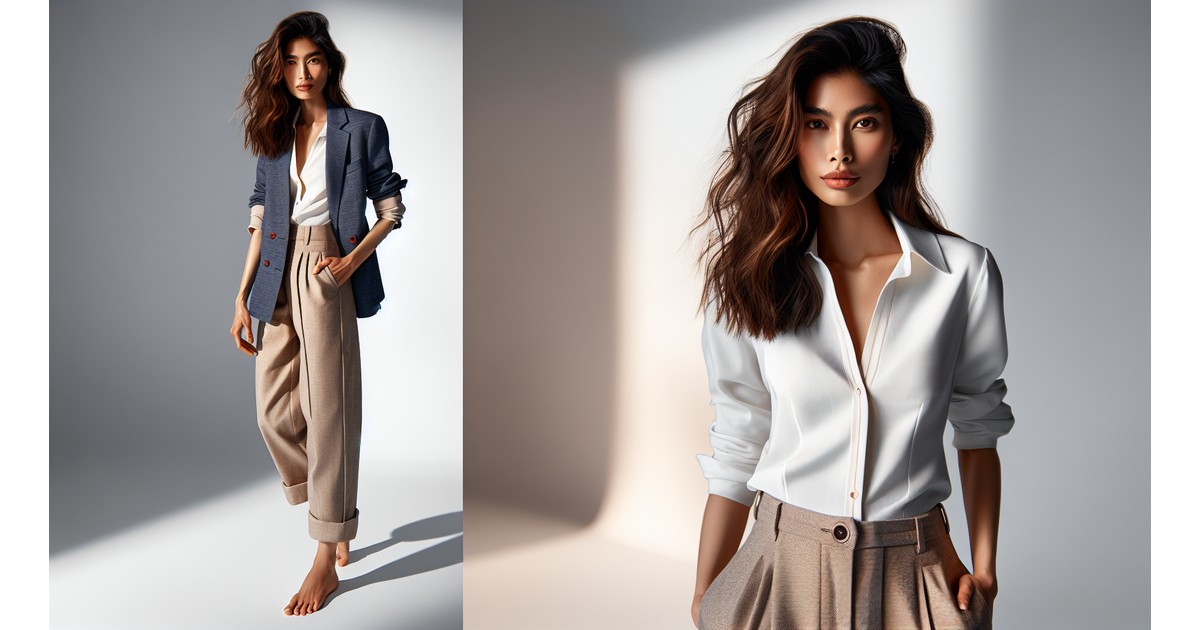
Sustainable fashion begins with the fabric. Opt for materials like organic cotton, Tencel, and recycled polyester. For instance, Tencel, made from sustainably sourced wood pulp, is not only breathable but also biodegradable. Brands like Patagonia and Eileen Fisher are leading the way with their commitment to using eco-friendly fabrics. When selecting your business casual attire, look for items like a tailored Tencel blazer paired with organic cotton trousers. This combination not only looks professional but also supports sustainable practices.
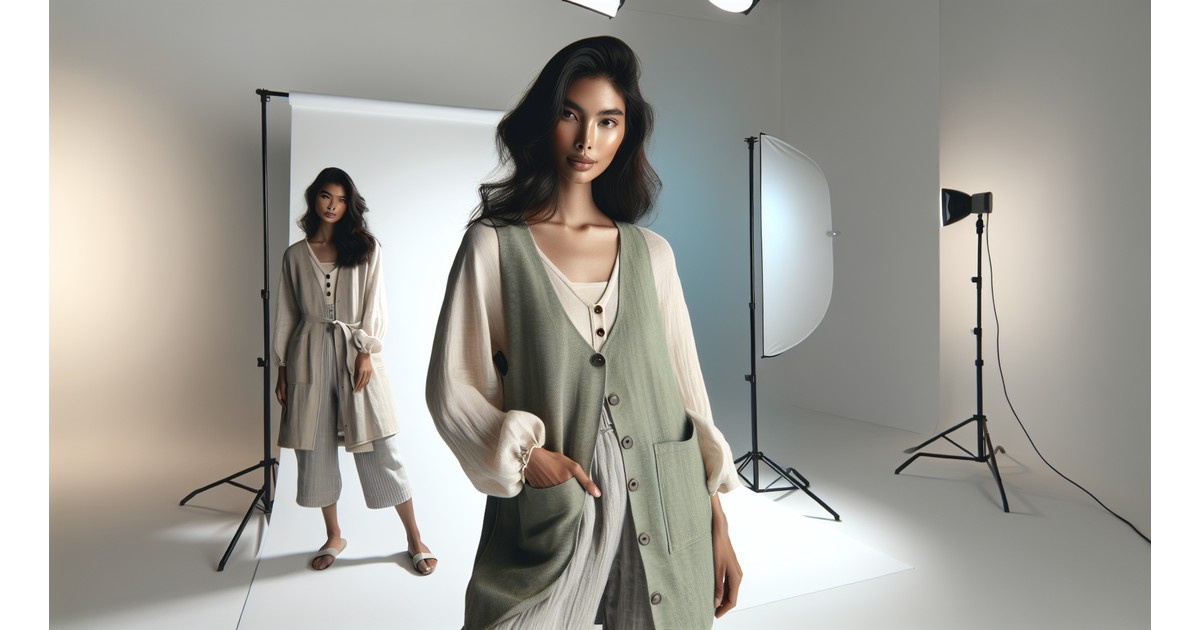
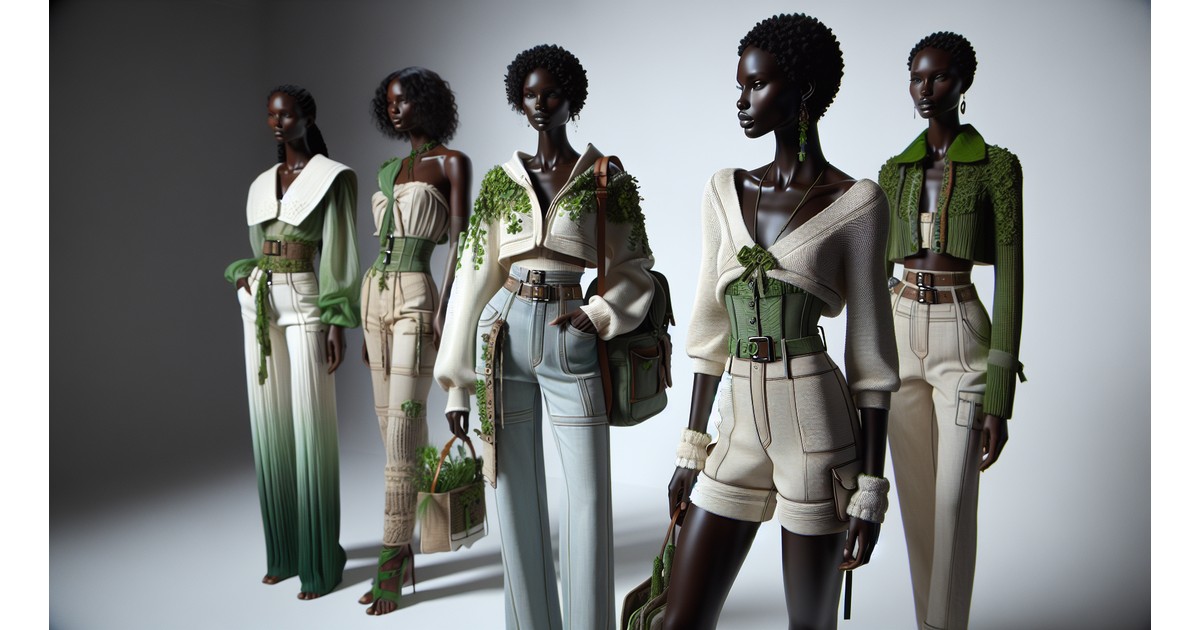
For colors, consider earthy tones or muted pastels that reflect the spring season. Soft greens, blushes, and warm neutrals can easily be integrated into your wardrobe. Remember to check the care instructions – eco-friendly fabrics often require less energy-intensive washing, making them both sustainable and cost-effective in the long run.
Essential Business Casual Pieces
To build a sustainable business casual wardrobe, focus on versatile pieces that can be mixed and matched. Start with a structured blazer made from organic cotton or hemp. Pair it with a breathable linen blouse for a polished look. For bottoms, high-waisted trousers made from recycled materials can be paired with both formal and casual tops, offering flexibility in your outfit choices.
Consider investing in sustainable footwear; brands like Allbirds and Rothy's offer stylish options made from recycled plastic and natural materials. For accessories, choose timeless pieces made from upcycled materials – think leather bags from brands like Elvis & Kresse, which repurpose fire hoses into fashion items. This way, you can elevate your outfit while supporting sustainable craftsmanship.
Color Combinations for Spring 2026
Spring 2026 brings a refreshing palette to business casual attire. Incorporating soft pastels and vibrant hues can brighten up your work wardrobe. Try pairing a light lavender blouse with beige trousers for a chic yet professional look. Alternatively, a mint green dress can be layered under a stone-colored blazer, perfect for transitioning from meetings to lunch.
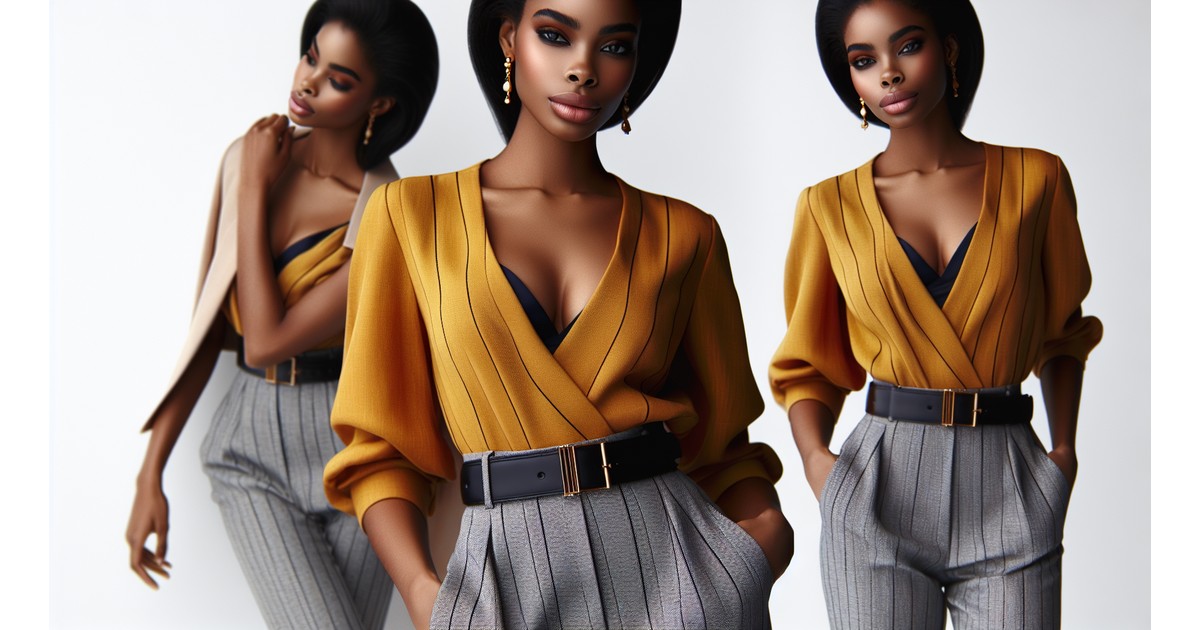
Don’t shy away from prints either! Vertical stripes in sustainable fabrics can elongate your figure and add interest to your outfit. Brands like Thought Clothing offer beautiful printed dresses and tops made from organic cotton. When accessorizing, consider a statement belt in a contrasting tone to accentuate your waist and add a pop of color to your ensemble.
Layering for Versatility
Layering is key to creating a versatile business casual wardrobe. As temperatures fluctuate in April, having lightweight layers is essential. Start with a fitted tee made from organic cotton as your base layer. Add a lightweight cardigan or a structured jacket that can easily be removed as the day warms up.
For example, a cream-colored cardigan over a patterned blouse can transition seamlessly from the office to after-work events. Pair this with tailored ankle-length trousers for a refined look. Brands like Amour Vert offer stylish, sustainable cardigans that can be dressed up or down. The key is to choose neutral colors for your layering pieces so they can be easily mixed with various outfits.
Accessorizing Sustainably
Accessories play a crucial role in completing your business casual outfits while allowing for personal expression. When choosing accessories, opt for sustainable materials such as cork, organic cotton, or recycled metals. A cork handbag can add a unique touch to your outfit while being eco-friendly.
Consider minimalist jewelry made from recycled materials that complements your outfit without overwhelming it. Brands like Soko and Mejuri focus on sustainable practices while providing elegant pieces that can be worn daily. Lastly, don’t forget about your tech accessories; sustainable phone cases and laptop bags from brands like Grove can keep your tech stylish and eco-friendly.