
Understanding Vintage Fashion: What Makes It Unique?
Vintage fashion is defined by its timeless appeal, often drawing inspiration from styles that date back at least 20 years. The beauty of vintage pieces lies in their unique stories, craftsmanship, and rarity. When shopping for vintage, it’s essential to recognize the different eras that influence styles today. For instance, the 1920s flapper dresses are characterized by their loose fit and intricate beadwork, while 1970s bohemian styles feature flowing fabrics and bold prints. Start by familiarizing yourself with key fashion trends from each decade. A simple online search or a visit to a vintage fashion book can educate you. Additionally, consider investing in staple items like a classic leather jacket, which can range from $50 to $200 depending on the brand and condition. Pair it with high-waisted jeans and a vintage graphic tee for an effortlessly chic look.
Where to Shop: Best Places for Vintage Finds
Knowing where to shop can make all the difference in your vintage hunting experience. Thrift stores like Goodwill and Salvation Army are treasure troves for budget-conscious shoppers, with prices usually ranging from $5 to $50. If you’re looking for higher-quality pieces, consider boutique vintage shops, which often curate their collections, resulting in prices around $30 to $300. Online platforms like Etsy, Depop, and Poshmark also provide access to vintage items, allowing you to filter by era, size, and price. Another hidden gem is estate sales, where you can find unique items directly from someone's home, often at affordable prices. Remember to check local listings in your area to discover upcoming sales. When visiting shops, go equipped with a list of what you’re looking for to stay focused and avoid impulse buys.
How to Identify Quality Vintage Clothing
Not all vintage pieces are created equal, and knowing how to identify quality can save you from making regrettable purchases. First, inspect the fabric. Natural fibers like cotton, silk, and wool are generally more durable and breathable compared to synthetic fabrics. Look for well-constructed seams and check for any signs of wear, such as fraying or fading. Authentic vintage pieces often have labels that reflect their era, so familiarize yourself with popular brand labels from the 60s, 70s, and 80s. If you're unsure, try on the item and assess the fit. A well-fitting vintage dress can be styled with modern accessories to create a contemporary look. For example, pair a vintage A-line dress with chunky sneakers for a playful vibe. Don’t hesitate to negotiate prices, especially at flea markets or thrift stores; it’s part of the vintage shopping experience.
Styling Vintage Pieces: Mixing Old with New
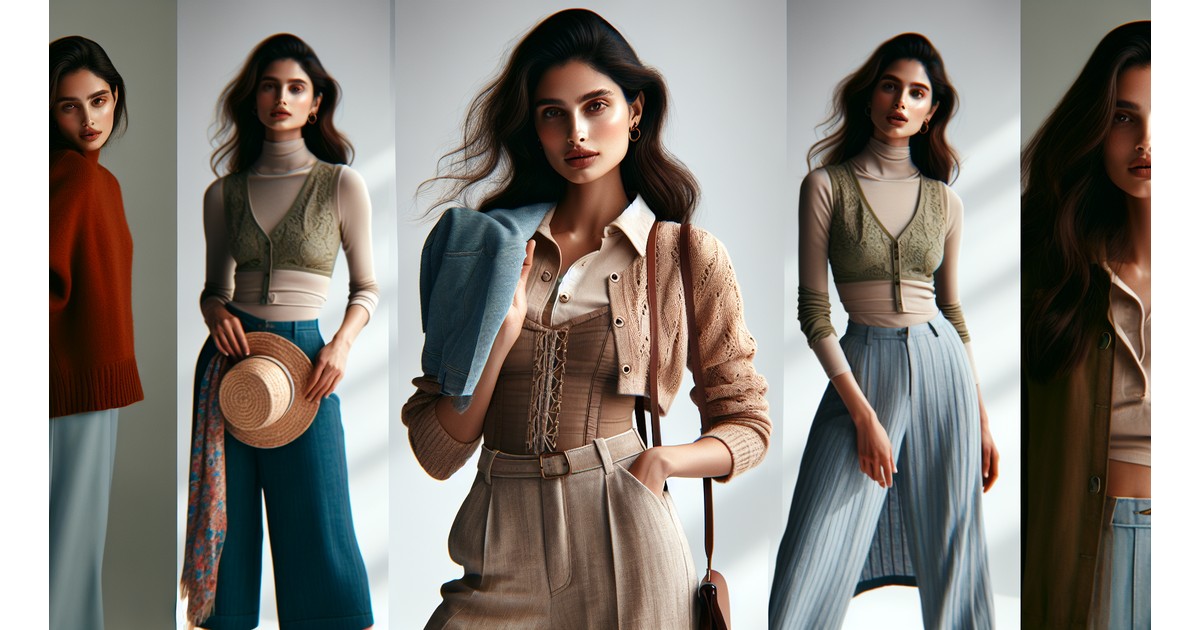
One of the most exciting aspects of vintage shopping is the opportunity to mix old and new pieces to create a unique style. Start by incorporating vintage accessories such as a statement belt or a retro handbag to elevate your outfit. For example, pair a vintage 70s maxi dress with modern ankle boots and a denim jacket for a balanced look that feels both fresh and nostalgic. Layering is another effective way to style vintage; try wearing a vintage blouse under a contemporary slip dress. Don't shy away from bold patterns either; mix prints and textures to express your personality. For more formal events, consider vintage evening wear paired with modern, minimalist jewelry to keep the focus on the statement piece. Remember, confidence is key when styling vintage, so wear what makes you feel good.
Caring for Your Vintage Finds: Maintenance Tips
To ensure your vintage pieces last, it's crucial to understand proper care and maintenance. Always check the label for specific washing instructions; many vintage items require hand washing or dry cleaning. For fabrics like silk or wool, store them in breathable garment bags to prevent damage from dust and moths. Avoid hanging delicate items on hangers for extended periods; instead, fold them neatly to maintain their shape. Regularly inspect your vintage garments for any signs of wear and address minor repairs promptly. For instance, sewing a loose button or patching a small tear can prolong the life of your favorite pieces. Invest in fabric spray to keep your vintage garments smelling fresh between wears. By taking care of your vintage finds, you can enjoy them for years to come.
Sustainable Fashion: Why Vintage Shopping Matters
In today’s fast fashion world, vintage shopping stands out as a sustainable alternative. By choosing vintage, you’re not only reducing waste but also embracing a more ethical fashion consumption model. The fashion industry is one of the largest polluters globally, contributing to environmental harm through excessive resource use. Vintage shopping allows you to give new life to pre-loved garments and reduce your carbon footprint. Additionally, many vintage stores donate a portion of their profits to charitable causes, further contributing to sustainable practices. As you build your wardrobe, consider how your choices make an impact. Opting for vintage pieces not only supports local businesses and artisans but also helps preserve the craftsmanship and history behind each item. Make conscious fashion choices, and you’ll contribute to a more sustainable future.