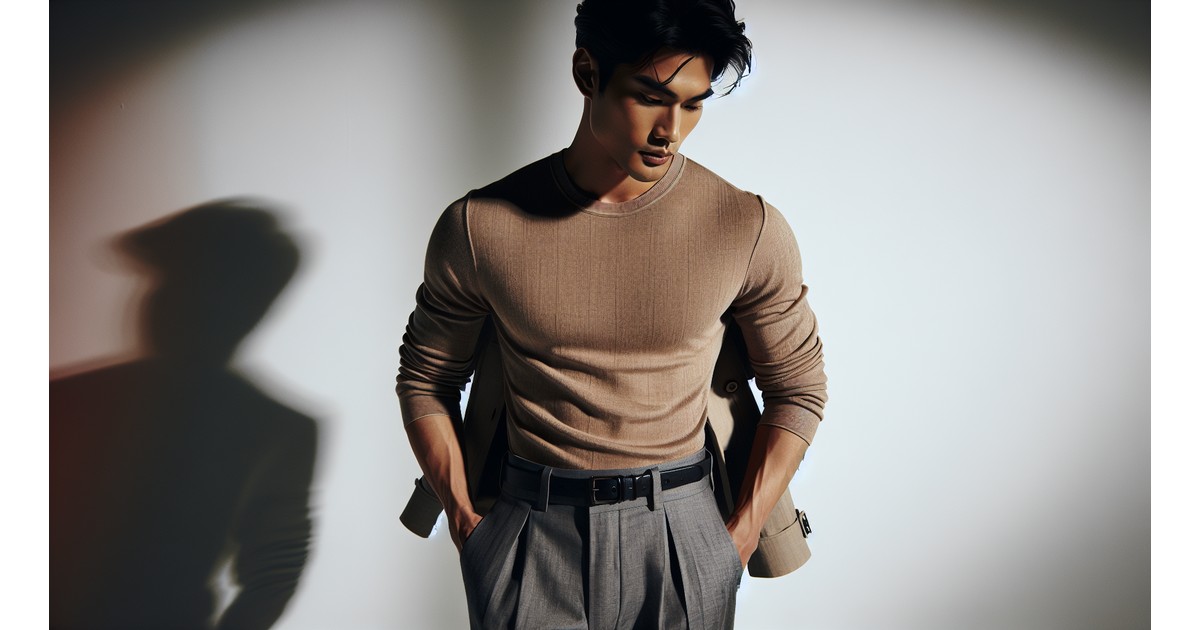

Step 1: Define Your Personal Style
To kick off your sustainable fashion journey, it’s essential to identify your personal style. Consider the following style archetypes: Bohemian, Minimalist, Classic, or Eclectic. Each style has its unique nuances and can be expressed sustainably. For instance, if you resonate with a Bohemian style, look for brands like Free People or Reformation that offer flowy, colorful pieces made from organic fabrics. A Minimalist may prefer Everlane or Reiss, focusing on clean lines and neutral color palettes. Don't forget to assess your lifestyle: Do you need versatile pieces for work, or are you looking for laid-back weekend outfits? Analyzing your daily activities will help you curate a wardrobe that works for you while remaining eco-friendly. Remember, defining your style is not about sticking to one category; feel free to blend elements from different styles to create a unique look that reflects who you are.
Step 2: Colors and Patterns That Speak to You
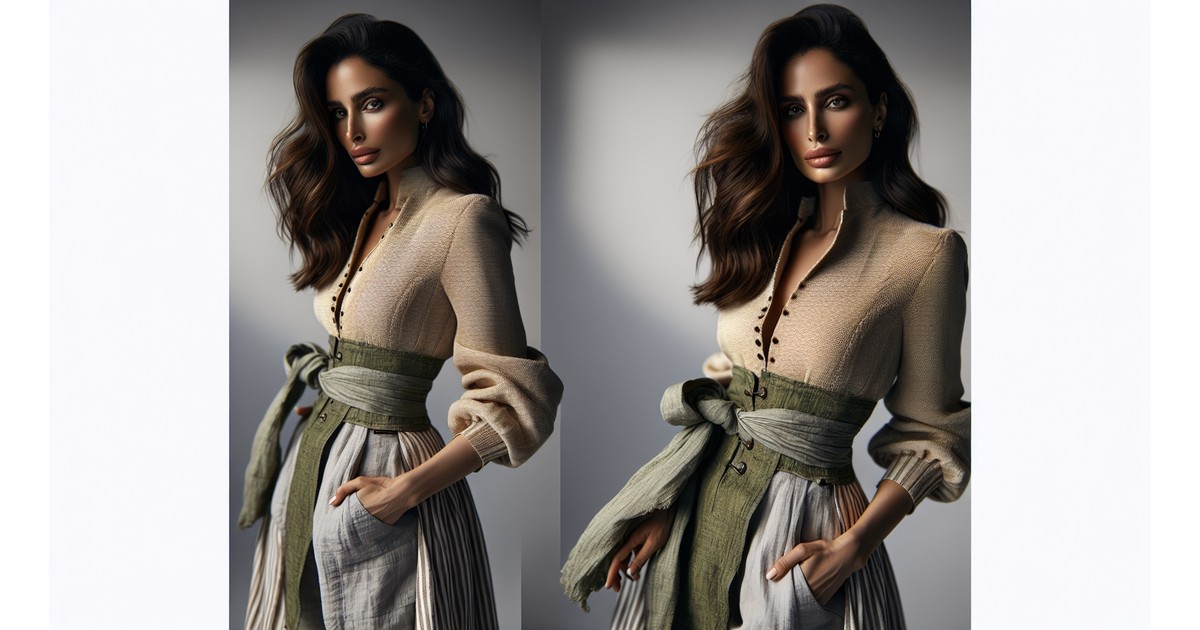
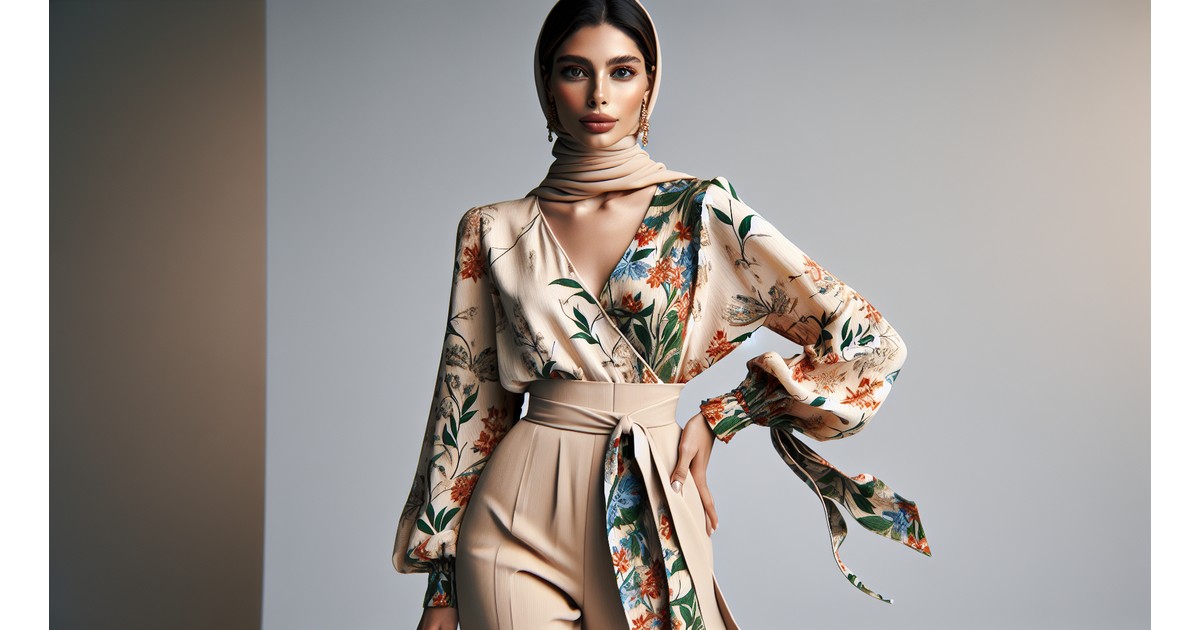
Once you’ve defined your style, it’s time to explore colors and patterns that resonate with you. Colors can evoke emotions and make a statement, so choose wisely. If you're drawn to earthy tones, consider incorporating shades of olive green, terracotta, or beige into your wardrobe. These colors not only align with sustainable aesthetics but also provide versatility. Brands like Thought Clothing offer beautiful pieces in natural hues made from sustainable materials. For patterns, think about what works best for you. Floral prints can enhance a Bohemian look, while geometric patterns may align more with a Minimalist style. Don’t be afraid to experiment with layering patterns; for example, pair a striped organic cotton tee with a floral wrap skirt. The key is to create outfits that feel authentic and express your personality, all while being mindful of the materials you choose.
Step 3: Sustainable Fabrics to Consider
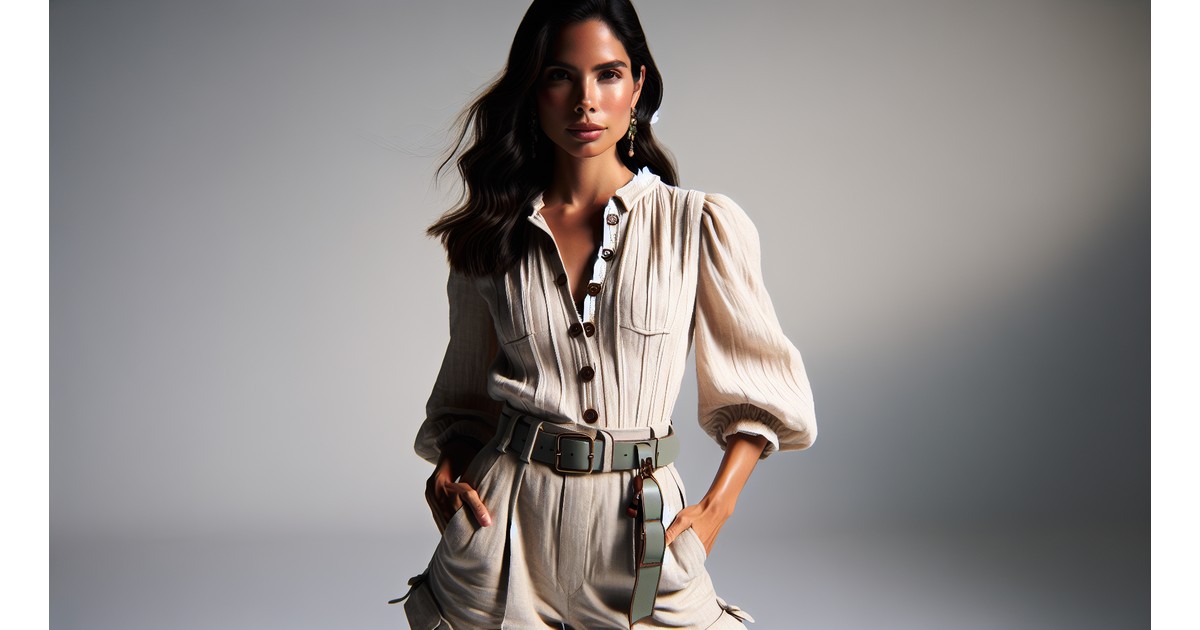
Understanding sustainable fabrics is crucial for creating an eco-friendly wardrobe. Some popular options include organic cotton, Tencel, hemp, and linen. Organic cotton is grown without harmful pesticides, making it gentler on the environment. Brands like Pact and Eileen Fisher offer stylish options in organic cotton. Tencel, made from sustainably sourced wood pulp, is soft and biodegradable, making it perfect for dresses and blouses. Consider shopping at brands like Amour Vert that prioritize Tencel in their collections. Hemp is another fantastic choice; it’s durable and requires less water to grow. Pair a hemp shirt with biodegradable denim from brands like Nudie Jeans for a chic look. Lastly, linen is perfect for warmer months—try an airy linen dress from Mango or a linen shirt from Reiss for a polished yet effortless vibe. By focusing on these sustainable fabrics, you’ll ensure that your style choices are not only fashionable but also environmentally friendly.
Step 4: Curating a Capsule Wardrobe
A capsule wardrobe is a fantastic way to embrace sustainability while simplifying your closet. The idea is to curate a small collection of versatile pieces that can be mixed and matched to create various outfits. Start by selecting a color palette that reflects your style, ensuring the colors complement each other. Aim for 10-15 essential pieces, including tops, bottoms, outerwear, and shoes. Brands like Vetta offer capsule collections designed to be worn in multiple ways, allowing you to maximize your outfit potential. For instance, you might choose a versatile dress that can be styled for both work and weekend outings by layering it with a blazer or denim jacket. Incorporate accessories like a statement belt or eco-friendly jewelry to elevate your looks. Remember, the key to a successful capsule wardrobe is quality over quantity—invest in pieces that will last and can be worn year after year.
Step 5: Accessorizing Sustainably
Accessories can make or break an outfit, so it's vital to choose them wisely, especially in a sustainable context. Look for pieces made from recycled materials or those that support ethical craftsmanship. Brands like BaubleBar offer fun, trendy accessories made from sustainable sources. Invest in a quality bag from brands like Matt & Nat, known for their vegan leather products that are stylish and eco-friendly. Jewelry made from recycled metals, such as those from Brilliant Earth, not only enhances your outfits but also promotes sustainability. When accessorizing, think about how each piece can elevate your look; for example, a chunky recycled plastic necklace can add a pop of color to a neutral outfit while being a conversation starter about sustainability. Don't forget about shoes—consider brands like Veja that offer stylish sneakers made from organic materials. By thoughtfully selecting accessories, you can enhance your personal style while supporting eco-conscious brands.
Step 6: Building a Sustainable Shopping Habit
Sustainable shopping goes beyond just choosing eco-friendly brands; it’s about fostering a mindset that prioritizes ethical choices. Start by researching brands that align with your values, such as those that practice fair trade, use sustainable materials, or give back to the community. Utilize apps like Good On You, which rates brands based on their sustainability practices, making it easier to make informed purchases. When shopping, focus on quality over quantity—invest in timeless pieces that will last for years rather than fast fashion items that will quickly go out of style. Consider thrifting or shopping second-hand at stores like ThredUp or Poshmark, where you can find unique pieces while minimizing waste. Additionally, develop a ‘one in, one out’ rule: for every new item you purchase, donate or sell an old one. This habit not only keeps your wardrobe manageable but also contributes to a more sustainable fashion cycle. By cultivating conscious shopping habits, you’ll be well on your way to a stylish, eco-friendly wardrobe.