
The Art of Layering: Essential Pieces for Transitional Dressing
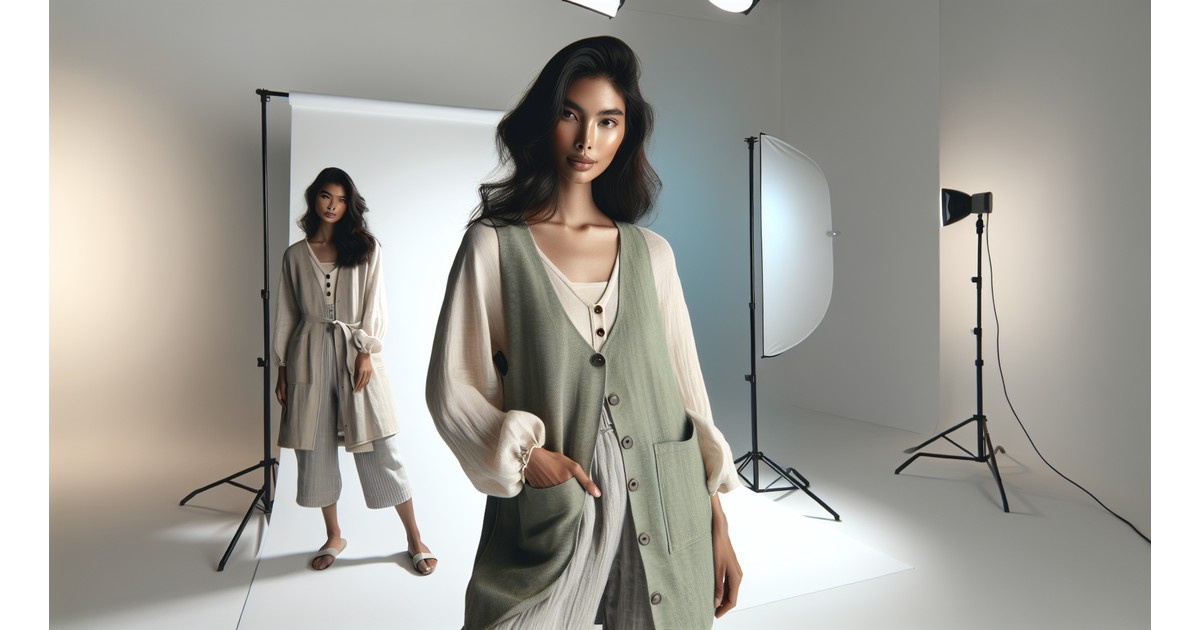
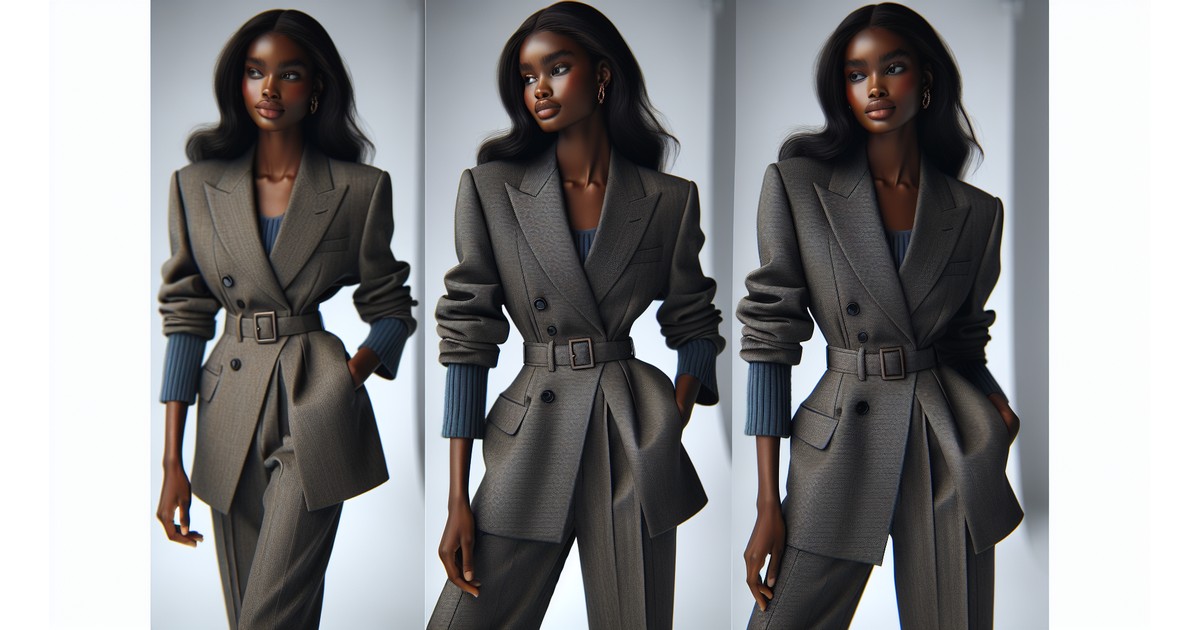
Layering is key to mastering transitional dressing, allowing you to adapt to fluctuating temperatures easily. Start with a lightweight base layer, such as a fitted turtleneck or a breathable cotton tee. For example, opt for a sustainably made turtleneck from Reformation, priced around $78, which you can pair with a flowy midi dress from Amour Vert for an effortlessly chic look. Adding a versatile cardigan or a tailored blazer can provide warmth for chilly mornings. Look for brands like Everlane that offer high-quality, sustainable options at reasonable prices. Finish your outfit with ankle boots from Veja for a stylish yet eco-friendly touch. Remember, the key is to choose layers that can be easily removed or added as the day progresses.
Color Palette: Embracing Earth Tones and Pastels
April is the perfect time to play with color, transitioning from winter's darker hues to the lighter shades of spring. Earth tones like olive green, terracotta, and soft beige are not only on-trend but also versatile for various outfits. Consider incorporating a sustainable linen shirt in olive from Organic Basics, priced around $95, paired with high-waisted, wide-leg trousers in a neutral shade. On the other hand, pastels like lavender and soft pink can brighten up your look. Pair a pastel cotton blouse from People Tree, typically priced around $70, with a denim jacket from Madewell to create a relaxed yet put-together ensemble. Mixing these colors can help you feel fresh and rejuvenated as you step into the new season.
Fabrics Matter: Choosing Sustainable Materials
When it comes to transitional dressing, the choice of fabric plays a crucial role in comfort and sustainability. Opt for materials like organic cotton, Tencel, and recycled polyester, which not only reduce your environmental footprint but also ensure breathability and flexibility. For instance, a Tencel jumpsuit from Thought Clothing, approximately $120, can be layered with a cozy knit from Naadam, ensuring you stay warm during cooler hours. Additionally, consider investing in sustainable denim from brands like Re/Done, known for their vintage-inspired pieces that transition beautifully from season to season. By prioritizing eco-friendly fabrics, you not only contribute to a healthier planet but also enhance your style with high-quality garments that last.
Accessorizing for the Season: Sustainable Choices
Accessories can elevate any outfit, making them essential for transitional dressing. Look for sustainable brands that offer unique and stylish choices. For example, a pair of ethically-sourced earrings from Soko can add a pop of personality to your layered looks. Additionally, consider a lightweight scarf made from recycled materials, which can be draped over your shoulders during chilly mornings. A sustainable tote bag from Baggu, around $45, can hold your essentials while adding a chic touch to your outfit. Footwear is also crucial; opt for versatile sneakers from Allbirds that can transition from casual outings to more polished settings. Remember, the right accessories can tie your outfit together while reflecting your commitment to sustainable fashion.
Seasonal Footwear: From Boots to Breathable Sneakers
As we transition from winter to spring, it’s essential to update your footwear to match the changing weather. Start with ankle boots made from eco-friendly leather, such as the 'Dicker' boot from Isabel Marant, priced around $400, which can be paired with skirts or trousers alike. As temperatures rise, breathable sneakers become a go-to choice. Brands like Rothy's offer stylish, machine-washable sneakers made from recycled plastic, usually priced around $165. Pair these with cropped jeans or a midi skirt for a laid-back yet fashionable look. Don't forget about versatile loafers; a sustainable option from Nisolo, around $150, can seamlessly transition from casual to professional settings. Choosing the right footwear not only enhances your outfit but also supports your sustainable wardrobe choices.
Mixing and Matching: Creating a Capsule Wardrobe
Transitioning your wardrobe can be simplified by creating a capsule collection of versatile pieces. Focus on selecting high-quality, sustainable basics that can be mixed and matched easily. For example, invest in a classic white shirt from Everlane, about $60, which can be paired with anything from denim to tailored trousers. Incorporate a midi skirt in a bold print from Ganni, priced around $220, that can be dressed up with heels or down with flats. By selecting a cohesive color palette, you can create multiple outfits with a limited number of items. Don't forget to include layering pieces, such as a lightweight trench coat from Mango, which can add sophistication and style. This approach not only saves time in the morning but also promotes a sustainable lifestyle by reducing the need for excessive clothing.