
Understanding Classic Style: Timeless Elegance
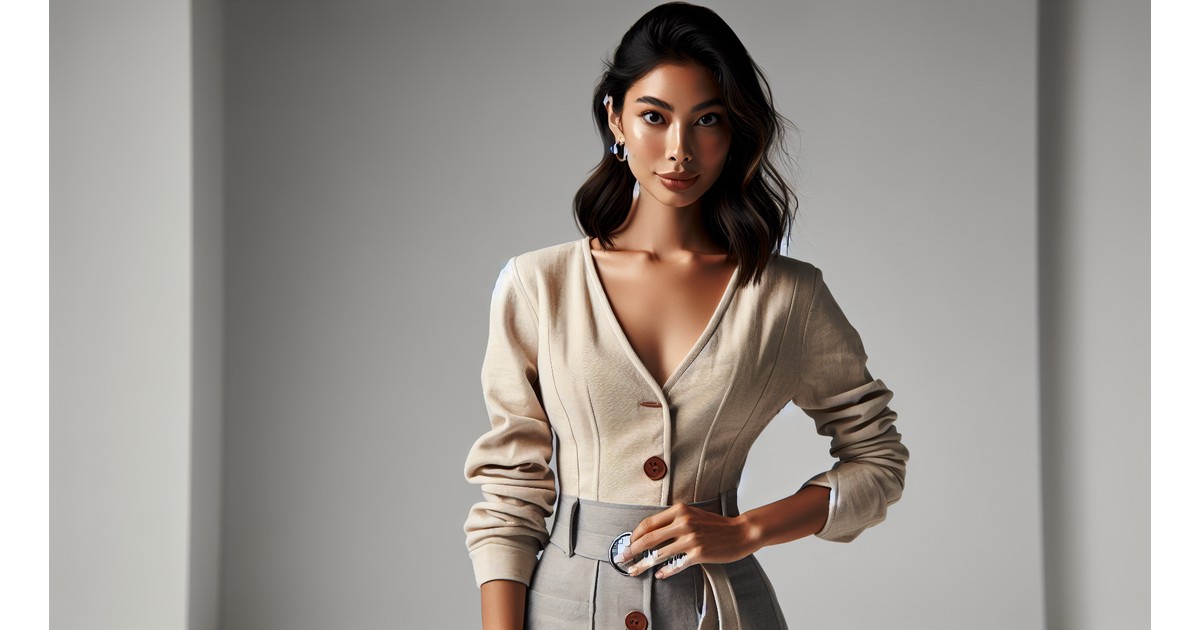
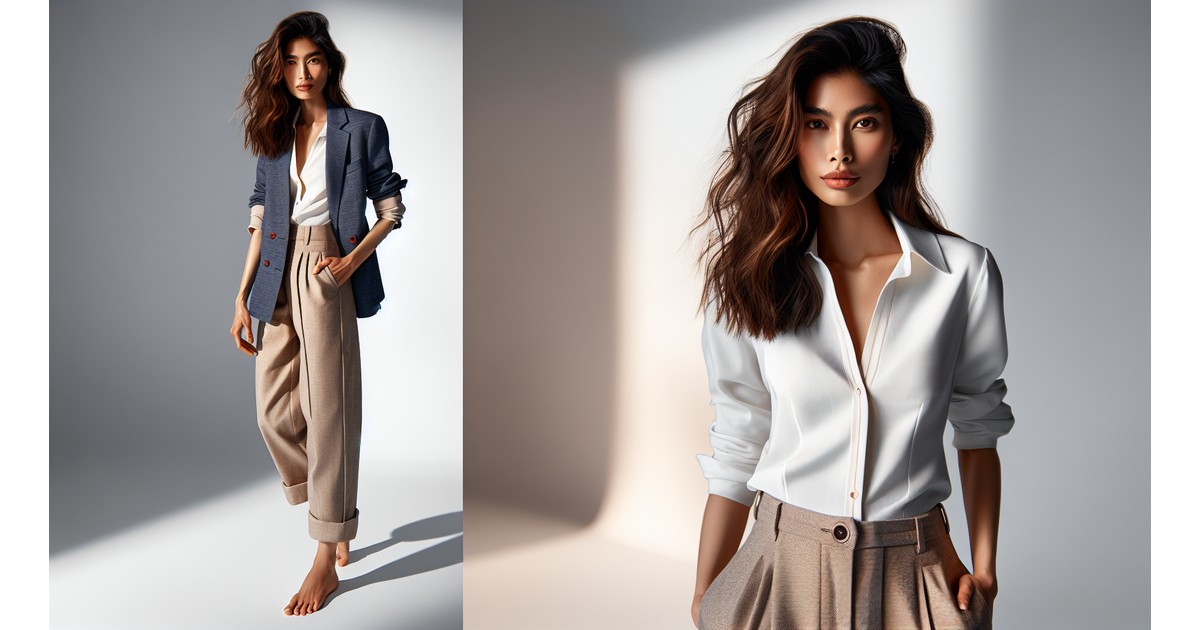
Classic style is characterized by its timeless appeal, focusing on quality over quantity. Think of pieces that never go out of fashion—like a tailored blazer, a little black dress, or well-fitted jeans. These items are often made from durable materials such as organic cotton, linen, or sustainable wool. For instance, brands like Reformation offer beautifully crafted dresses that blend classic silhouettes with sustainable practices. To create a classic outfit, pair a crisp white shirt from Everlane with high-waisted trousers from Eileen Fisher, and finish with a pair of classic loafers from Nisolo. This outfit not only exudes sophistication but is also made from sustainable materials, ensuring you're making a responsible choice while looking chic. Key colors for classic styles include navy, black, and beige, which are versatile and easy to mix and match.
Embracing Trendy Styles: Bold and Vibrant Choices
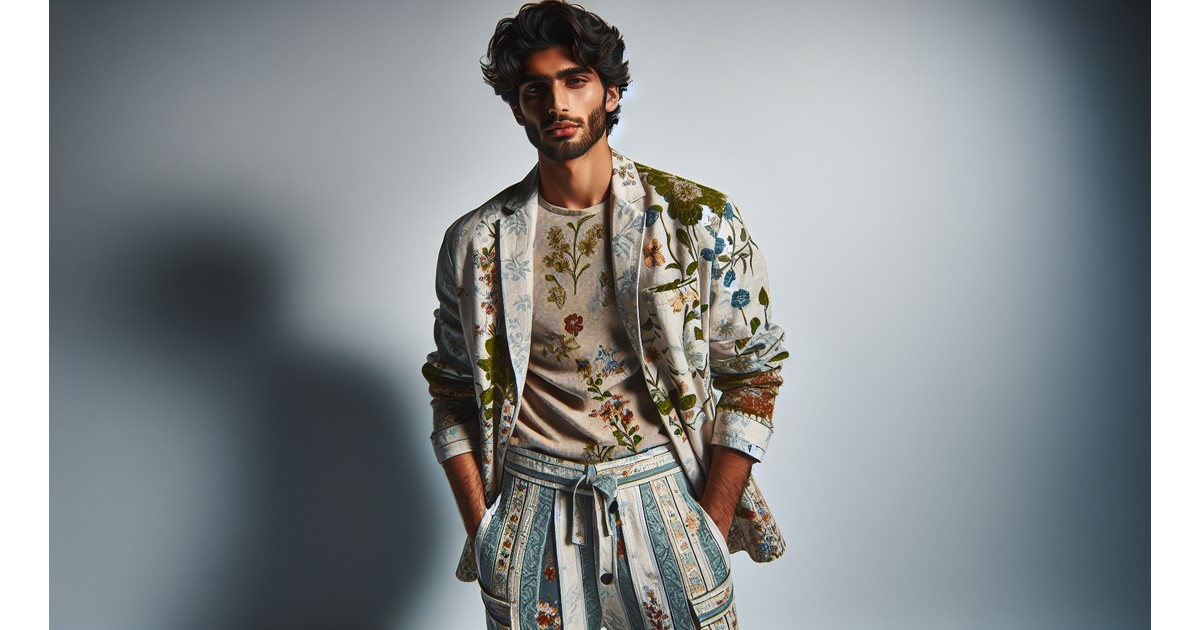
Trendy styles allow for self-expression and creativity, often incorporating the latest patterns, cuts, and colors. In May 2026, we’re seeing a resurgence of vibrant colors and unique silhouettes, heavily influenced by social media and pop culture. However, it’s essential to choose trends that can be integrated into your wardrobe sustainably. Look for brands like ASOS and H&M’s Conscious Collection, which offer trendy pieces made from recycled materials. For example, try pairing a bold printed shirt from ASOS with eco-friendly denim shorts from Reformation. Accessories play a crucial role in trendy outfits; consider a statement belt bag from Matt & Nat made from recycled materials to elevate your look. Remember that while trends can be fun, focusing on how they can complement your existing wardrobe is key to maintaining a sustainable approach.
Mixing Classic and Trendy: The Best of Both Worlds
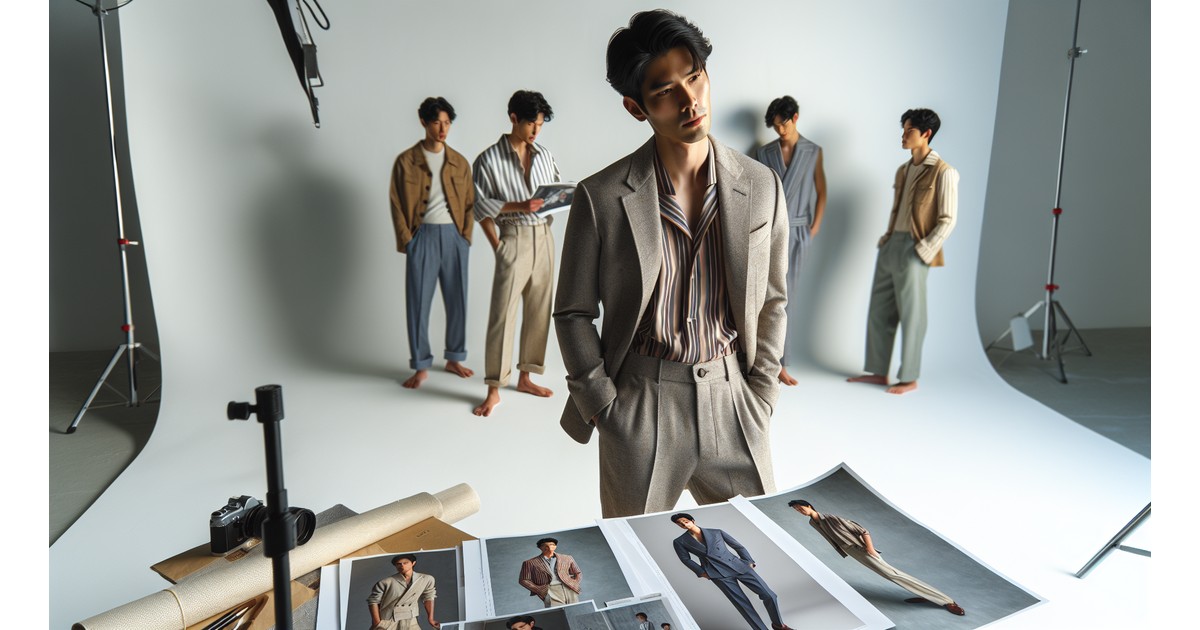
The most stylish wardrobes often blend classic and trendy pieces, creating a unique personal style. For example, you might wear a classic trench coat from Mango over a trendy graphic tee from Uniqlo, paired with vintage jeans from Madewell. This combination not only showcases your personality but also ensures you’re dressed appropriately for various occasions. When mixing styles, focus on balancing colors and silhouettes; if you choose a loud, trendy piece, opt for more subdued, classic items to ground your look. Accessories can also help bridge the gap—consider adding a pair of timeless hoop earrings from Mejuri to complement a trendy outfit. Sustainable brands like Stella McCartney also offer innovative designs that meld classic elegance with a modern twist, proving that you don’t have to sacrifice sustainability for style.
Key Sustainable Fabric Choices for Every Style
When curating a sustainable wardrobe, fabric choice plays a vital role. For classic styles, opt for organic cotton, Tencel, and linen, which are durable and biodegradable. Brands like Thought Clothing focus on sustainable fabrics while maintaining a classic aesthetic. For trendy styles, look for recycled polyester and upcycled fabrics, which are becoming increasingly popular. Brands such as Girlfriend Collective use recycled plastics to create stylish activewear. When shopping, pay attention to certifications like GOTS (Global Organic Textile Standard) or OEKO-TEX, which ensure that the fabrics are produced responsibly. For instance, a classic white button-down made from organic cotton can be paired with trendy patterned trousers made from recycled polyester for a balanced outfit that respects the environment.
Building a Capsule Wardrobe: Your Sustainable Style Blueprint
Creating a capsule wardrobe is an effective way to ensure you have a sustainable, versatile collection of clothing. Aim for around 30-40 pieces that can be mixed and matched effortlessly. Start with classic staples like a tailored blazer, a little black dress, and a pair of well-fitted jeans. Then, incorporate trendy pieces that resonate with your personal style, such as a colorful oversized sweater or a statement skirt. Brands like Vetta offer capsule collections designed for this purpose, ensuring each piece works harmoniously with the others. Remember to consider versatility; each item should be able to create at least three different outfits. For example, your classic blazer can be worn with a white tee and jeans for a casual look, or layered over a trendy jumpsuit for a night out.
Sustainable Shopping Tips: Making Mindful Choices
Sustainable fashion is not just about the clothes you buy; it’s about how you shop. Start by researching brands that prioritize ethical practices and sustainable materials. Tools like Good On You provide insights into brand sustainability ratings, helping you make informed choices. Consider thrifting as a viable option for adding unique pieces to your wardrobe without contributing to fast fashion waste. Websites like Poshmark and Depop are excellent platforms for finding pre-loved items. Additionally, practice the 'one in, one out' rule—when you purchase a new item, let go of an older one to maintain a balanced wardrobe. Finally, prioritize quality over quantity; investing in fewer, higher-quality pieces will pay off in the long run, both in style longevity and sustainability.